
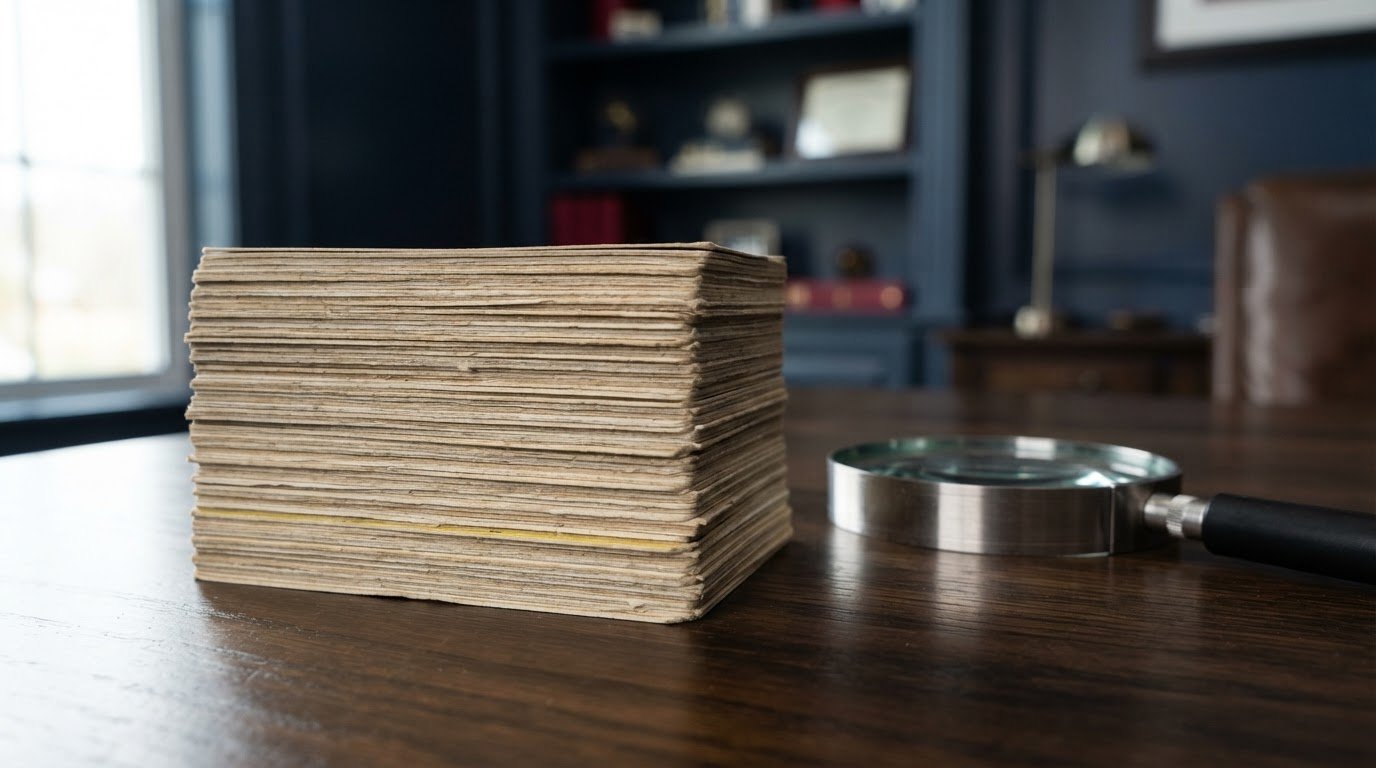
Selling sports cards in Connecticut doesn’t have to mean photographing, listing, and shipping each card yourself. An in-person sale lets you bring your cards to a physical location, discuss the collection directly with a buyer, and decide how you want to proceed.
If you’re deciding how to sell sports cards, start by noting what you know: player names, sports, card years and sets, notable cards, visible condition, and any existing grading. These details help identify what you’re bringing in, but you don’t need to catalogue every card or arrange third-party grading before discussing a sale.
Memorabilia Brokers directly purchases sports cards and other collectibles from owners at physical locations in Connecticut. The company was founded more than 30 years ago and offers an in-person alternative to consignment and auction-house hosting. This guide covers how to organize your cards for a visit and what to expect from a direct-purchase discussion. Payment is issued directly by check.
Key Takeaways
- Sell sports cards in person in Connecticut through a direct purchase, without managing individual listings.
- Player, sport, set, year, and visible condition can help identify the cards being discussed.
- Group cards by details you recognize, make a short note of useful identifiers, and protect the cards during transport.
- Memorabilia Brokers purchases sports cards directly from owners. Third-party grading isn’t required before discussing a sale.
How to Sell Sports Cards in Connecticut Without Managing Online Listings
Whether you’re selling a few cards or a whole collection, direct acquisition gives you an in-person option. Bring the cards to a Memorabilia Brokers location in Connecticut to discuss them with a buyer, instead of preparing separate listings and handling each sale yourself.
Memorabilia Brokers operates through physical locations in Connecticut. Transactions take place in person, not online.
What makes an in-person sale different from marketplace selling?
Selling through an online marketplace usually involves identifying cards, taking photos, writing descriptions, creating listings, answering buyer messages, and arranging order fulfillment. With a direct in-person sale, you can discuss the cards with a buyer without managing those individual listing and delivery steps. You decide whether to proceed after discussing the collection; a conversation does not guarantee an offer or a particular outcome.
Who may find direct acquisition useful?
This approach may suit Connecticut collectors who want to simplify a collection or discuss a group of cards rather than sell them one by one. It can also give families handling inherited cards a practical starting point. You can bring the cards to a physical location even if you’re still learning what the collection contains.
What Shapes Sports Card Interest, and Do You Need Grading?
Before visiting a Connecticut location, gather the details that can help identify your cards. The player, sport, set, year, and visible condition provide useful context. If visible, the card name or number can help distinguish it from others in the same set.
Start with the player, sport, set, year, and condition. These details help begin discussion.
How should you describe a card’s condition?
Look for visible wear, creases, corner damage, and marks or scratches on the surface. Describe what you see rather than trying to predict a grade. For instance, point out a bent corner or crease. Don’t clean, alter, or try to improve a card before bringing it in. An honest description keeps the discussion focused on the card as it is.
Should you grade cards before an in-person sale?
You can bring ungraded sports cards to Memorabilia Brokers for an in-person direct-purchase discussion. Third-party grading isn’t required before discussing a purchase. Bring the cards as they are, along with any identifying details you already know.
For general consumer information in Connecticut, visit the Connecticut Department of Consumer Protection. To learn more about in-person sports card purchases, visit the Memorabilia Brokers website.
How to Prepare Sports Cards for a Connecticut In-Person Visit
How can you handle cards before the visit?
Handle cards carefully and only as needed to sort and transport them. Keep existing sleeves and holders in place, and avoid cleaning, pressing, or making other alterations. This preserves the cards in their current condition for review and avoids unnecessary handling.
Once your cards are grouped and protected, bring them to a Connecticut location for an in-person discussion with Memorabilia Brokers. Bring your sports cards to a Connecticut location to discuss a direct purchase.
Selling Sports Cards Directly to Memorabilia Brokers in Connecticut
What to expect from a direct-purchase conversation
The discussion takes place in person and focuses on the cards and the details you know, such as players, sets, or years. Bring graded or ungraded cards as they are. Whether you’re considering a few cards or a larger group, you can discuss the collection directly with the buyer.
Frequently Asked Questions
Can I bring a whole sports card collection to Memorabilia Brokers?
Yes. You can bring a group or an entire collection to discuss in person. If convenient, keep related cards together by sport, player, set, or era, and note details you recognize. Ungraded cards can be included.
How does Memorabilia Brokers pay for sports cards?
Memorabilia Brokers payment is issued by check.
Please feel free to give us a call directly to schedule an appointment: 800-555-6741

