
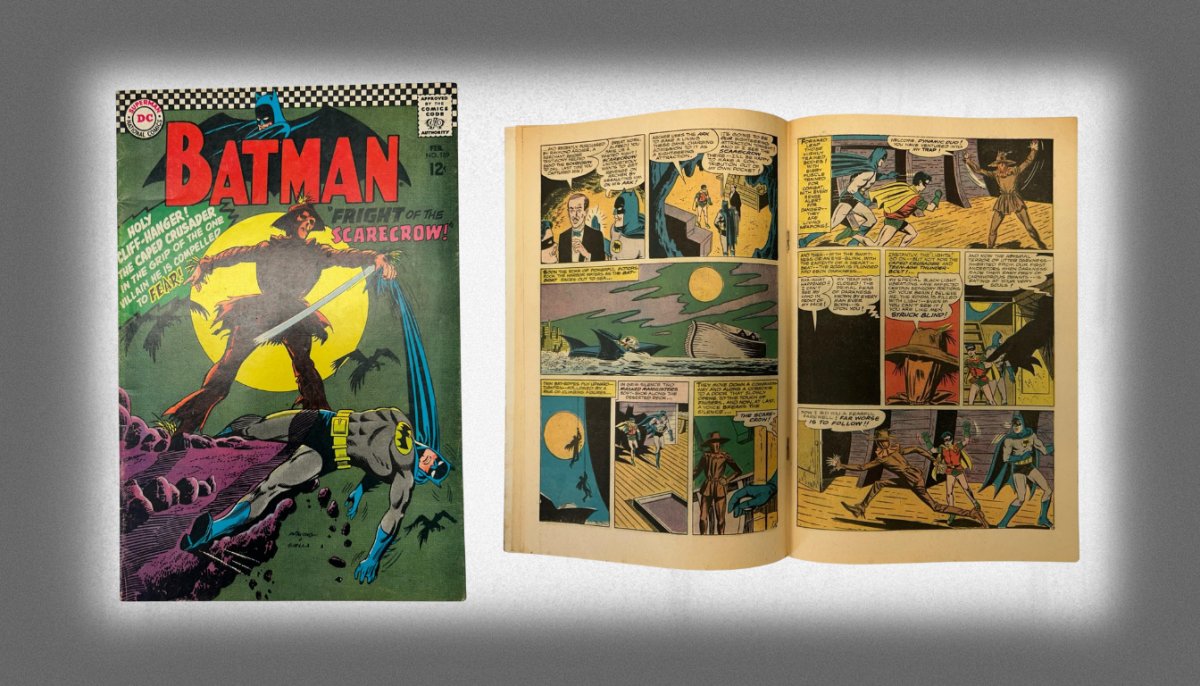
Most collectors waste hundreds of hours cataloging worthless filler comics while overlooking the handful of issues that actually hold the value. If you’re wondering how to value a comic book collection for sale, you need to stop looking at every individual cover and start looking for "Key Issues." It’s easy to feel overwhelmed by thousands of books, especially when you aren’t sure how grading standards or market trends impact your bottom line. We understand that uncertainty. You want a fair price without the stress of lowball offers or the confusion of retail versus buy-price discrepancies.
In this guide, we’ll teach you the professional methods for accurately assessing your collection’s market value. You’ll learn how to identify high-value books from the Golden Age through the Copper Age and why professional grading might add value to your most prized assets. At Memorabilia Brokers, we’ve spent over 30 years simplifying this process for sellers. We are buyers only. We don’t sell to the public or deal in slow consignments. Our goal is to provide a secure, direct transaction. Once we agree on a value, we provide secure payment by check to ensure a reliable experience from start to finish.
Key Takeaways
- Identify the specific “Ages” of your comics to establish their historical market category and demand.
- Learn how to value a comic book collection for sale by focusing on “Key Issues” like first appearances rather than common filler books.
- Prioritize realized “Sold” prices over “Asking” prices to get an accurate, reality-based assessment of your items.
- Understand why direct brokerage is a faster, more reliable alternative to the high fees and uncertainty of auction house consignment.
- Experience a streamlined transaction with us as buyers only; we provide secure payment by check and do not sell to the public.
Core Factors for a Sell Comic Book Price Check
Determining the worth of your items requires a systematic approach. The history of comic book collecting is organized into four primary eras. Each era has a different baseline for rarity and demand. We categorize these as follows:
- Golden Age (1938-1956): These are the rarest books, featuring the first appearances of iconic superheroes.
- Silver Age (1956-1970): This era introduced the Marvel Age and revitalized DC characters.
- Bronze Age (1970-1985): Known for darker themes and the introduction of many fan-favorite anti-heroes.
- Copper Age (1985-1993): A period of massive print runs where value is concentrated in specific key issues.
When you look at how to value a comic book collection for sale, remember that "Key Issues" often drive the majority of the value. A key issue usually contains a character’s first appearance, a major death, or a significant origin story. Common issues from the same era often trade for just a small fraction of the key issues. Condition is the next critical factor. A single spine tick, a small corner crease, or a slight color fade can swing the price by hundreds or even thousands of dollars. While third-party grading like CGC provides a standardized score, it isn’t always necessary. As professional brokers with 30 years of experience, we can accurately assess raw books and make competitive offers without requiring you to pay for external grading services first.
Identifying Key Eras in Your Collection
You can identify the era of your books by looking at the cover price and publisher logos. Golden Age books typically have a 10-cent cover price. Silver Age books moved from 10 cents to 12 and 15 cents. We find that Golden Age comics remain the most sought-after items due to their historical significance and scarcity. These books are our primary focus when evaluating estate acquisitions.
The Difference Between Retail Price and Buy-Offer
The Overstreet Comic Book Price Guide is a helpful baseline, but it doesn’t represent a guaranteed sale price. Retail prices reflect what a collector might pay for a single book after months of searching. A buy-offer accounts for market liquidity and the cost of processing a large volume.
How to Value a Comic Book Collection for Sale in 5 Steps
Valuing a large collection requires a methodical approach to ensure you don’t miss hidden gems. We recommend following these five steps to prepare for a successful transaction.
- Organize your inventory: Group your books by title and issue number. This makes it easier to identify complete story runs or missing key issues.
- Check realized prices: Look for "Sold" listings on major marketplaces. Ignore "Asking" prices; they often reflect unrealistic expectations rather than actual market value.
- Isolate the keys: Separate your most valuable books from the "filler" or bulk issues. This helps you focus your research on the items that drive the most profit.
- Document with photography: Take clear, well-lit photos of the front and back covers of your high-value items. This allows us to provide a more accurate initial assessment.
- Consult a professional: Reach out to a dedicated buyer who understands the nuances of the market.
Whether you are selling a comic collection or a specialized company, expert guidance is invaluable; for instance, Healthcare Biz Brokers, Inc. assists owners in the medical sector with the complex process of valuing and selling their businesses.
If the process of cataloging thousands of books feels too complex, our team can assist you with a professional review of your inventory.
Spotting High-Value Key Issues
A "Key Issue" is a comic containing a significant first appearance or historical milestone. Famous examples include Amazing Fantasy #15, Action Comics #1, and Showcase #4. These books are the foundation of any high-value collection. Even if your collection doesn’t contain these specific multi-million dollar books, smaller keys still command a premium over common issues. Identifying these early is a crucial part of how to value a comic book collection for sale. Many who collect these graphic treasures also appreciate the broader world of pop culture aesthetics, often diversifying their portfolios with original pop art pieces from Fringe.
Determining Condition Without a Professional Grade
You don’t need a plastic slab to estimate a book’s state. We look for specific physical markers during our evaluations. Mint books appear brand new with sharp corners and deep colors. Fine issues show minor wear but remain attractive. Very Good books have noticeable creases or slightly rounded corners, while Good issues are complete but show significant handling. Pay close attention to page color. White pages are preferred, while cream or tan pages indicate aging. Check the staples for rust and ensure the cover gloss is still present. These details significantly impact the final offer we can provide.
Choosing the Right Liquidation Path: Why Direct Brokerage Wins
Auction houses often present themselves as the only way to get top dollar, but the hidden costs tell a different story. Small consignors typically face seller fees between 10% and 15%, while buyers often pay a 20% premium on the hammer price. These fees create a significant gap between the final bid and the amount you actually keep. When you research how to value a comic book collection for sale, you must factor in these deductions and the wait for payment. We offer a faster, more transparent alternative.
Securing Your Payment
Financial certainty is a primary concern for our sellers. Auction floors are volatile, and prices can fluctuate based on bidder attendance or market whims. We remove that risk by providing a firm offer based on current market data. Every transaction we complete is finalized with a secure payment by check. We don’t use cash for any purchases. This policy ensures a professional paper trail for your records and provides a level of security that cash cannot match. You get the peace of mind that comes with a guaranteed price and a reliable payment method.
Take the Next Step Toward Your Sale
Navigating the complexities of the secondary market is simpler when you prioritize organization and market reality. You now know that the true value of a collection lies in its key issues and its historical era. By documenting your items properly and avoiding the high fees of consignment, you’re already ahead of most sellers. It’s time to turn that knowledge into a successful transaction.
Request a Professional Evaluation for Your Collection
We look forward to reviewing your items and helping you complete a smooth, rewarding sale.
Frequently Asked Questions
Do I need to get my comics graded by CGC before selling to a broker?
You don’t need to pay for third-party grading before seeking an offer. We have the expertise to assess the condition of raw comics from any era, which saves you the upfront cost and months of waiting for grading services to return your books. While a slabbed book has a certified grade, we frequently buy entire raw collections and provide an accurate valuation based on our 30 years of industry experience.
How long does it take to get a price check on a large comic collection?
The timeline for a price check depends on the size and organization of your inventory. A small group of key issues can often be evaluated within 24 to 48 hours; however, a massive estate collection might require more time for a thorough, professional review. We prioritize efficiency to help you understand how to value a comic book collection for sale without the long lead times required by auction houses.
What are the most valuable comic book eras for sellers right now?
Golden Age (1938-1956) and Silver Age (1956-1970) books remain the most valuable due to their historical rarity and the introduction of major characters. High-grade Bronze Age keys and specific Copper Age first appearances also command significant interest in the current market. We actively buy across all these periods, focusing on the key issues that drive the highest market demand.
Can I sell a comic book collection that was inherited and I know nothing about?
You can absolutely sell an inherited collection even if you have no prior knowledge of the hobby. We specialize in estate acquisitions and guide you through the entire identification process. Our team handles the heavy lifting of sorting and valuing the books, which ensures you receive a fair assessment without having to research thousands of individual issues yourself.

